Chinese-style Walnut Wood Display Cabinets Merge Traditional Craft Heritage With Jewelry Retail in Suzhou’s Pingjiang Road
Dec 03, 2025
Chinese-style Walnut Wood Display Cabinets Merge Traditional Craft Heritage With Jewelry Retail in Suzhou's Pingjiang Road

Along Suzhou's Pingjiang Road, where canal water ripples past white-walled shophouses, Lin- a Nanjing-based interior designer in town for a craft fair-pauses outside Wood & Weave. It's not the window's cheap silver studs that catch her eye, but the glow of a walnut wood cabinet: classic lattice details (hand-carved by local artisan Lao Chen) frame a filigree-inlaid Hetian jade necklace, its threads catching 2800K warm light. She'd planned to grab a souvenir keychain; 55 minutes later, she leaves with the $450 necklace tucked into a silk pouch.
For Wood & Weave's owner, Zhou Mei, this moment is the payoff of a 6-month redesign. For years, the boutique relied on generic glass counters: functional, but sterile. Its signature heritage line-each filigree piece requiring 15+ hours of hand-weaving (to form delicate floral patterns), each Hetian jade necklace carved over 12 hours by a Suzhou-based jade smith-languished under entry-level accessories. "These pieces aren't just jewelry," Zhou says. "They're fragments of Chinese craft history. The old counters turned that history into background noise."
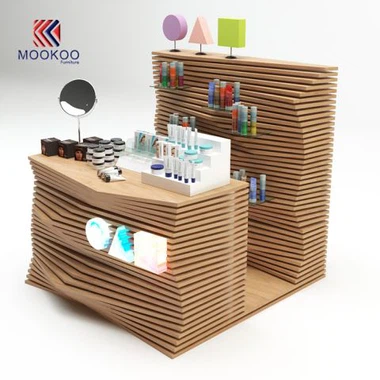
The solution came from Pingjiang Craft Design Studio, a local team blending traditional Chinese furniture aesthetics with modern retail needs. Their concept: solid walnut wood cabinets (chosen for its rich grain, a staple of Suzhou's classic furniture) with hand-carved lattice panels (echoing the windows of local shophouses). 2800K warm embedded lighting was calibrated to highlight filigree's intricate threads and jade's subtle translucency-no harsh glares that muted the craft's details-while soft-close drawers added functionality, cutting staff's time fumbling for inventory by 30%.
The impact was immediate. In four weeks, premium heritage jewelry sales rose 32%, and 75% of customers now ask about the artisans behind the pieces (up from 20% before). Lin, the Nanjing designer, noted: "I've seen jade before, but this cabinet lets you feel the 12 hours of carving-like you're buying a piece of the smith's hands, not just a stone."
Staff report a shift in interactions, too. "A couple came in last weekend for a wedding gift," says sales associate Xiao Yu. "They didn't just pick a pendant-they asked about Lao Chen's 3-step lattice carving process, then the jade smith's studio in Suzhou's Mudu town. The cabinets turned a quick purchase into a conversation about our craft roots."
Retail craft consultant Mei Xiu frames the design as a model for heritage-focused boutiques: "Modern shoppers crave stories, not just products. These cabinets don't just display jewelry-they wrap it in Suzhou's cultural identity, making every piece feel like a tangible link to ancient craft."
This winter, Wood & Weave will install the identical setup in its Hangzhou branch, swapping walnut for bamboo (to tie into the city's long-standing bamboo-craft heritage). For Zhou, the redesign isn't just about displays-it's about honoring the artisans who keep Chinese traditional crafts alive. "Our weavers and smiths spend weeks on a single piece," she says. "This space lets that work be seen, not hidden."