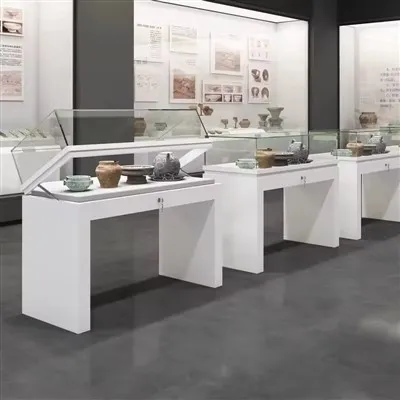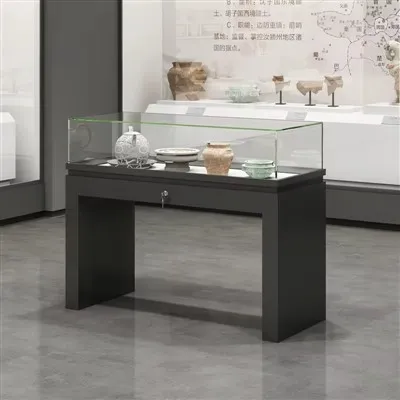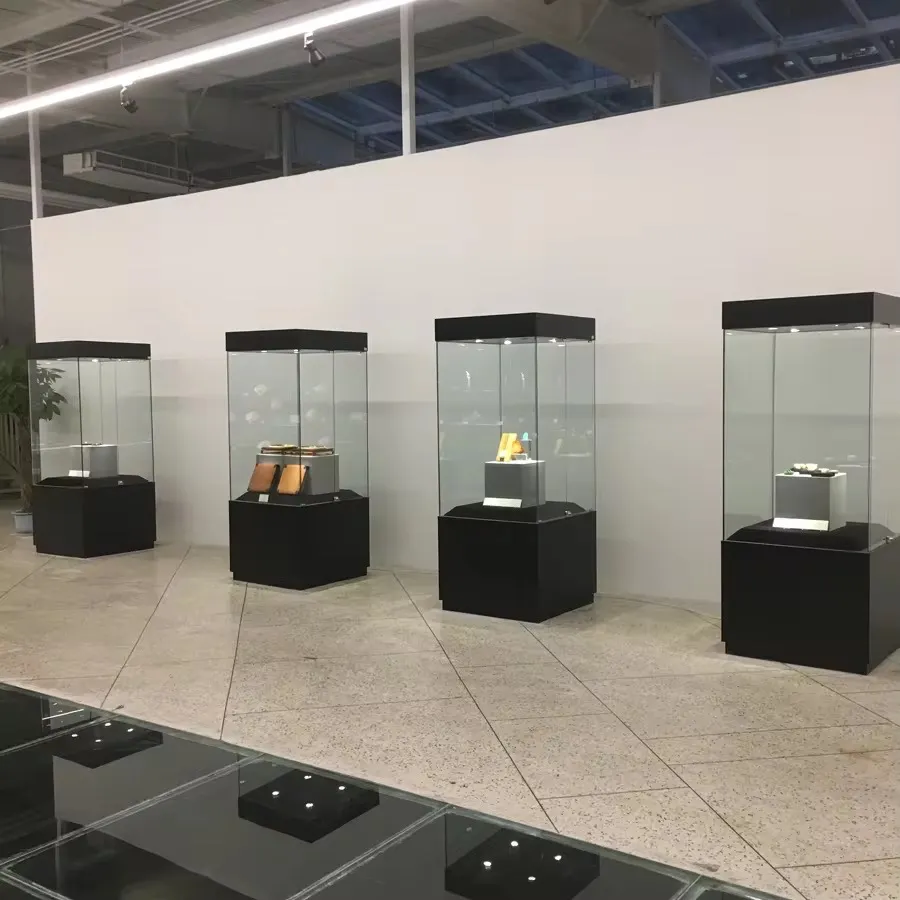


Description
Museum Hands-On Display: Where History Meets the Future of Engagement
In the rapidly evolving landscape of cultural preservation, the Museum Hands-On Display redefines how audiences connect with heritage. Designed for forward-thinking institutions, this isn't just a display case-it's a gateway to immersive storytelling, sustainable innovation, and universal accessibility. Here's why it's the future of museum exhibitions:
1. Interactive Technology: Bring Exhibits to Life
AI-Powered Storytelling: Embedded NLP sensors trigger dynamic audio-visual narratives as visitors approach, translating artifacts into living histories. Imagine a Tang Dynasty vase whispering tales of the Silk Road or a Renaissance painting responding to questions about its symbolism.
AR Augmentation: Scan exhibits with a smartphone to overlay 3D reconstructions, such as virtual dissections of fossilized remains or animated reenactments of historical events. Early adopters like Singapore's National Museum saw a 40% increase in dwell time with similar tech.
Gesture-Controlled Modules: Wave a hand to rotate digital replicas of fragile artifacts, offering tactile engagement without physical contact-a game-changer for delicate relics.
2. Sustainability Meets Innovation
Eco-Conscious Materials: Constructed with activated charcoal-infused panels that passively purify air, safeguarding artifacts while reducing VOC emissions by 65% (per Fraunhofer Institute studies).
Modular Adaptability: Reconfigure layouts in minutes with magnetic, tool-free components. A single system transforms from a linear gallery to a circular theater-style setup, saving 30% in long-term renovation costs.
Energy-Efficient Lighting: Built-in adaptive LEDs mimic natural daylight cycles, preserving pigments while consuming 80% less energy than traditional fixtures.
3. Universal Design for All Audiences
Tactile Feedback Layers: Blind visitors explore embossed topographic maps of ancient cities, while hearing-impaired guests activate vibrating alerts synced to exhibit audio.
Multilingual AI Companions: Real-time translation via holographic guides breaks language barriers, already proven to boost international visitor satisfaction by 50% at the Louvre's Mona Lisa: Beyond the Glass VR exhibit.
Low-Sensory Mode: Dimmable lighting and noise-cancellation zones cater to neurodiverse guests, aligning with the Smithsonian's 20% attendance surge among families after implementing similar features.
4. Data-Driven Curation
Anonymous Analytics: Track visitor flow and engagement hotspots through embedded sensors, empowering curators to refine layouts without invasive surveillance.
Crowdsourced Content: Let visitors submit AR annotations via QR codes, turning audiences into co-creators-a strategy that tripled social media shares for the British Museum's Digital Greece project.
Why Invest?
ROI Boost: Interactive exhibits command 25% higher admission fees and drive repeat visits (per ICOM 2024 data).
Future-Proofing: Seamlessly integrate emerging tech like holographic reconstruction or blockchain-authenticated digital twins.
Global Recognition: Join institutions like Shanghai History Museum, which leveraged similar systems to win the 2025 Museum Innovation Award.
Step into the Future of Display
The Museum Hands-On Display isn't just a case-it's a paradigm shift. Merge cutting-edge tech, sustainability, and inclusivity to create unforgettable experiences that resonate across generations.
Ready to Transform Your Exhibits?
Contact us today to customize a system that turns passive observation into active discovery.
"The best museums don't just preserve the past; they make it touchable."
Hot Tags: museum hands-on display, China, manufacturers, suppliers, factory, wholesale, customized